Why You’re Tired All the Time? It May Not Just Be Aging
Written by: LowT Center Clinical Team
Medically reviewed by: Michael Seay, MSN, APRN, FNP-BC
Posted: Mar 24, 2026
Updated: Apr 28, 2026
Many people in their 30s, 40s, and 50s expect to still feel energetic and capable in their daily lives. But the reality is that many begin to notice the feeling of fatigue getting stronger, their energy running lower than it used to, and recovery taking longer than before.
Add in demanding schedules, long workdays, and the pressure of keeping up with family responsibilities, and it can start to feel like there’s rarely time to fully recharge. As the years pass, fatigue becomes easier to blame on the most obvious factor: aging. Energy may feel like it fades faster, becomes less consistent, and everyday demands can begin to feel more taxing than they once did.
Research from the CDC suggests this experience is more common than many realize. Nearly 1 in 5 adults between the ages of 18 and 44 report feeling exhausted most days or every day.
But what if the way your body feels has less to do with the number of candles on your birthday cake and more to do with how your hormones are functioning?
When Your Energy Doesn’t Match Your Age
Hormones influence how well your body produces and uses energy. When your hormones levels decline or become imbalanced, you may notice your more drained throughout the day or struggle to maintain the same level of drive you once had.
On the other hand, when your hormones are healthy, someone individuals may begin to notice steadier energized, sharper focus, youthful, and more motivated even in later stages of life.
Because these changes are often dismissed as a normal part of getting older, they can be easy to overlook. The real problem, however, could be a growing gap between your chronological age and what some professionals describe as “hormone age,” or how efficiently the body’s hormones are supporting daily energy, performance, and recovery.
So, what exactly is hormonal age, and why can it play such an important role in how energized you feel as you get older?
Summary
- Most middle-aged people will often attribute increased tiredness or slower recovery to aging, but many times hormone health tells a different story about how your body produces and sustains energy.
- You could be a certain age, but depending on your hormone health, you may feel more fatigued and older than you actually are. The same can also be true in reverse, some individuals feel more energized and youthful than their chronological age might suggest.
- This idea compares your chronological age with your “hormone age,” which relates more closely to how efficiently your body regulates energy, recovery, mood, and physical performance.
- Hormonal changes can begin earlier than many people realize. Shifts in testosterone and growth hormone activity can contribute to reduced stamina, slower workout recovery, sleep disruption, or changes in motivation and body composition.
- Because symptoms of hormone imbalance often overlap with what people assume are normal signs of getting older, many individuals delay testing or evaluation that could help identify underlying causes.
- Lifestyle factors such as chronic stress, inconsistent sleep, poor nutrition, and limited physical activity can accelerate how quickly hormone efficiency changes over time.
- Hormone testing can help clarify whether imbalances may be influencing how you feel, allowing providers to develop more personalized strategies to support long-term energy, recovery, and overall well-being.
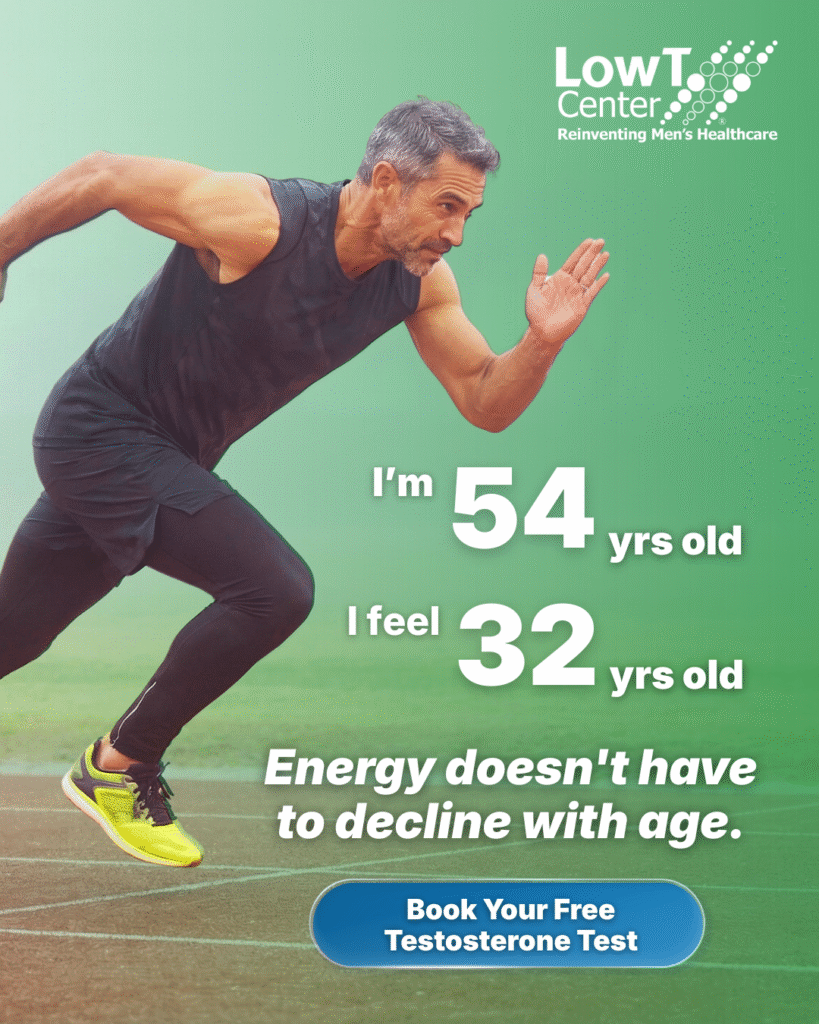
Your Age on Paper vs How Your Body Actually Feels
Chronological age is simply the number of years you’ve been alive. Hormonal age, however, reflects how well your body’s hormone system is functioning to support things like energy levels, recovery, mood stability, and physical performance.
In many ways, hormone age can offer a clearer picture of how your body is functioning on a day-to-day basis. When hormone production or signaling begins to change, it may influence how energized you feel and how your body performs physically and mentally, regardless of your actual age.
For example, someone in their late 30s may notice they feel less motivated or slower to bounce back from workouts or long workdays than someone a decade older. Factors such as lifestyle habits, stress, genetics, and hormonal balance can all shape how effective the body is at producing and sustaining energy over time.
Why So Many People Feel Tired in Their 30s and 40s
What many people don’t realize is that changes affecting energy and recovery can begin earlier than expected. Instead of happening suddenly later in life, subtle biological adjustments may start taking shape as early as the 30s or even sooner.
For instance, testosterone, which is important in woman and men, naturally trends downward after peak levels in early adulthood. Men and women can lose an average of 1% of testosterone every you and so on.
Growth hormone activity also becomes less robust over time, which can influence how the body recovers from physical effort, manages metabolism, and sustains stamina. While stress hormones such as cortisol further determine how consistently you feel capable, alert, and physically ready to meet daily demands.
These changes don’t just happen overnight. Instead, they manifest as small but noticeable differences, like less morning energy than before, slower recovery after workouts, or increased mental fog during the workday. Over time, these patterns can build and begin to affect daily performance, motivation, and overall quality of life.

Signs Your Energy Levels May Not Match Your Age
Hormone-related changes typically overlap with what many people assume are normal signs of aging. This overlap can make them difficult to recognize, which is why awareness and appropriate testing can be an important part of understanding what your body may be experiencing. Symptoms linked to hormonal challenges may include:
- Ongoing fatigue or low stamina
- Loss of strength or muscle tone
- Increased body fat despite consistent habits
- Reduced motivation or mental sharpness
- Sleep disruptions or waking up feeling unrested
- Changes in mood or stress tolerance
- Lower libido
- Slower recovery after exercise or illness
Because these experiences are frequently attributed to getting older, they can delay meaningful conversations around hormone health, evaluation, and potential ways to support more stable energy and overall well-being.
How Hormones Affect Your Energy
Several hormones work hand in hand to help regulate how consistently your body produces, uses, and restores energy throughout the day. Here is a list of some of the hormones that influence stamina, recovery, sleep quality, and overall physical or mental drive.
For Men
Declining testosterone levels are one of the most frequent contributors to reduced stamina, slower recovery, changes in body composition, and decreased motivation.
In addition, lower growth hormone activity may influence sleep quality, physical repair, and metabolic efficiency. In some cases, therapies that support natural growth hormone signaling, such as peptide therapy using Sermorelin, can help improve recovery and energy regulation.
For Women
Hormonal shifts can be more complex and often involve changes in testosterone, estrogen, and progesterone levels. These fluctuations may influence sleep patterns, mood stability, muscle tone, metabolic function, and overall vitality.
Because these hormones interact closely, identifying the primary driver of fatigue or reduced performance typically requires individualized testing and clinical evaluation.
If anyone of these hormones decline or fall out of balance, they can create a disconnect between how old someone is on paper and how capable or energized they feel in everyday life.
Lifestyle Factors That Can Accelerate Hormone Aging
Fortunately, hormone health is not shaped by biology alone. Daily habits, lifestyle choices, and environmental pressures can all influence how efficiently the body regulates energy and overall performance.
Chronic stress, inconsistent sleep routines, limited physical activity, and nutritional gaps may contribute to gradual hormonal shifts. In addition, constant digital stimulation and demanding work schedules can interfere with the body’s natural recovery cycles, leaving many people feeling constantly drained.
While aging itself cannot be avoided, the way the body responds to these pressures can vary significantly. With the right awareness and support, you can take meaningful steps toward improving how often you feel energized.
When It May Be Time to Check Your Hormone Levels
If constant fatigue, unexplained changes in body composition, or ongoing sleep disruptions begin to interfere with daily life, it may be worth discussing these symptoms with a medical professional.
Hormone testing can provide insight into whether imbalances may be contributing to how you feel. Evaluating hormone levels alongside medical history and lifestyle factors allows providers to better understand the underlying causes of these changes.
At Low T Center, we provide comprehensive hormone evaluations for both men and women to help identify potential imbalances and guide personalized treatment decisions. Whether concerns are related to testosterone, growth hormone activity, or broader hormone shifts, our providers take an individualized approach to hormone health. For many patients, gaining this level of clarity can be an important first step toward restoring more consistent energy, improved performance, and overall well-being.
Sources
https://my.clevelandclinic.org/health/diseases/22673-hormonal-imbalance
https://my.clevelandclinic.org/health/diseases/22673-hormonal-imbalance
https://www.health.harvard.edu/womens-health/hormones-and-aging
https://www.ncbi.nlm.nih.gov/books/NBK279031/
Micheal Seay, MSN, APRN, FNP-BC

Related Posts
Disclaimer: This article is made available for general, entertainment and educational purposes only. The opinions expressed herein do not necessarily reflect those of Low T Center. You should always seek the advice of a licensed healthcare professional.